PEMAC GTA Chapter invites you to join them for its next Professional Development event. Join us for lunch, get insights on how to correct the major roadblocks in machinery installation and discover ultrasound techniques to enable reliability.
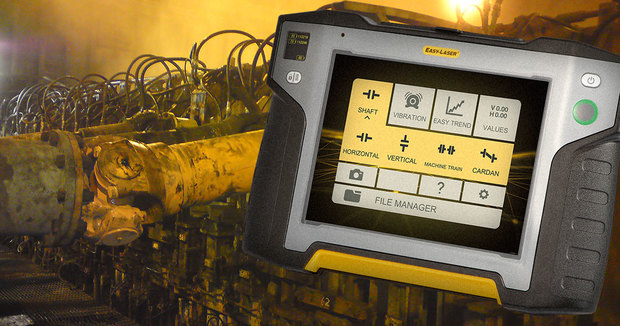
Easy Laser has just released its latest free XT app update, version 7.0.4, and it comes with some new features! Also, see below the updates for the previous version 6.1.2.
The ultimate goal for anyone in industrial maintenance should be to gain the optimum, full life of our machine assets. To do this we need to make changes to our current maintenance processes or at least the way a lot of plants are doing things. I see a lot of companies have some variation of a condition-based maintenance program but are scratching their heads on why they still get machine failures. They are not wrong in doing condition-based maintenance but that alone will not stop your machines from failing. First, let me explain why condition monitoring works.
The Rooted in Reliability podcast is a weekly Maintenance and Reliability podcast covering common industry challenges and what you can learn from them. Each episode dives deeper into critical issues and explains where you can begin correcting theses maintenance flaws today. Sharing new tips and techniques to help you achieve industry best practice and shining a light on widely debated maintenance topics with special guest experts.
“Reliable machinery installation” – it sounds like an obvious thing, don’t you agree? But where does reliability actually start?
We all know that “the thing” starts with the design. The design stage decides what is going to be installed. Which equipment, and where. But there is no decision of Who is going to perform the installation, and How it is going to be installed. Most of the time those two departments are not cooperating, especially if they don’t belong to the same organization. The installation teams must be involved in the design because they will provide their feedback for reliable machinery installation. They know exactly how things work out there and how they need to be done.
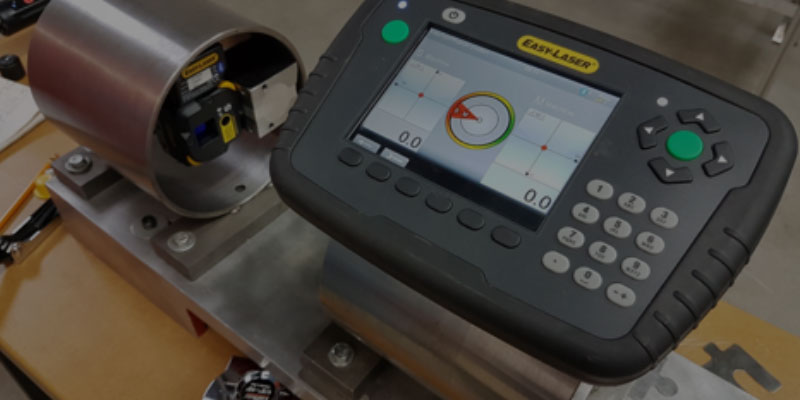
Recently one of our application experts was asked a question from a colleague onbore alignment. He wanted to know if you could use a shaft alignment system to do bore alignment. The answer was yes, but not without practicing.
Join us at the 37th CMVA Annual Technical Conference on October 29 and 30, 2019 at the Lord Nelson Hotel, Halifax, Nova Scotia, under the theme Practical Applications and Solutions: A Journey, Primarily Through Case Studies, Techniques and Practices Used Today in the Predictive Community.
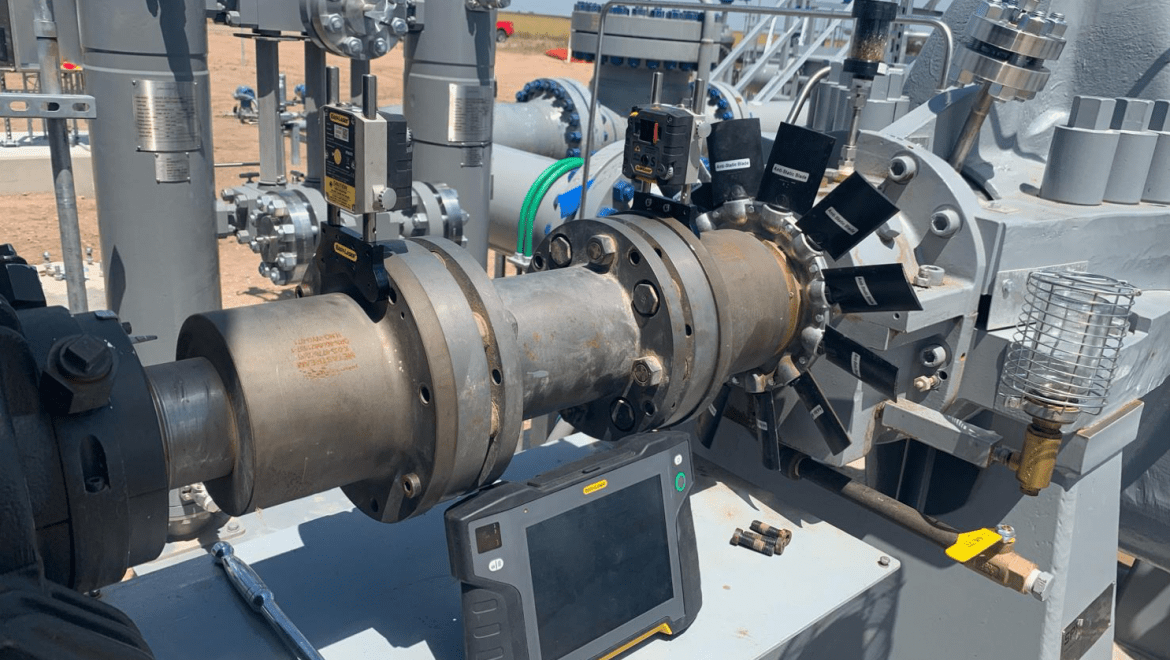
Let us review this case study on a common issue when working on a pump and motor alignment done by Brian Franks, Owner and Field Service Technician of JetTech Mechanical (www.jettechmechanical.com).
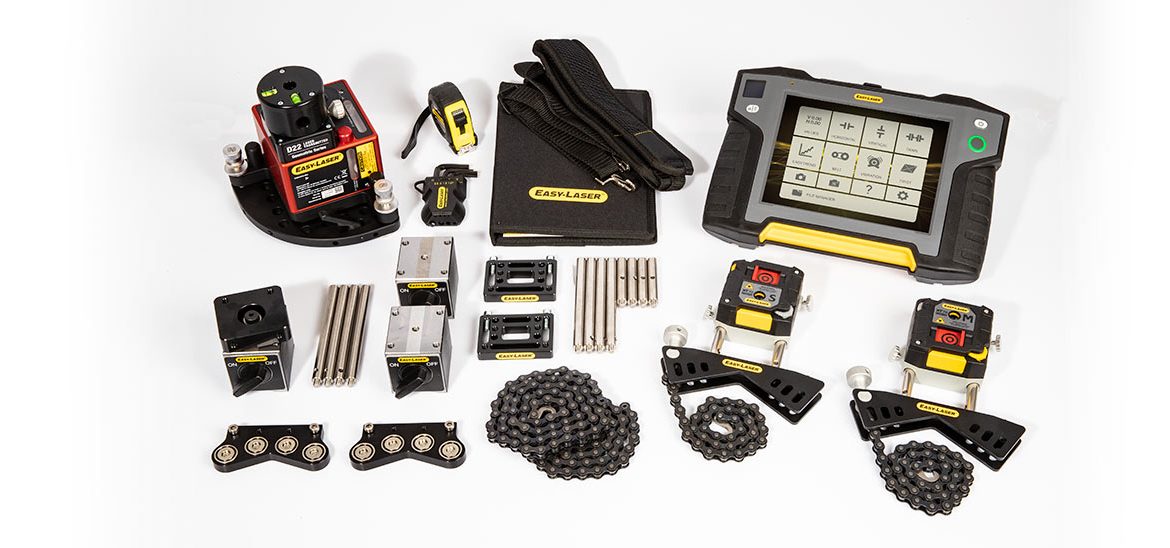
The parts incorporated in your laser measurement and laser alignment system have all been developed with a view to a specific need or application. Generally speaking, however, there are four elements that always have to be included.
Maximizing Equipment Uptime Through Proactive Maintenance
Regular equipment maintenance is crucial for ensuring maximum uptime and productivity. By adopting a proactive approach to maintenance, businesses can identify and address potential issues before they lead to unplanned downtime or equipment failures.
Implementing comprehensive maintenance programs, such as condition monitoring and predictive maintenance strategies, can help organizations extend the lifespan of their machinery and optimize overall equipment effectiveness. This approach enables better planning, reduces maintenance costs, and minimizes disruptions to daily operations.
Leveraging Data-Driven Insights for Improved Decision-Making
The use of data analytics and smart technologies can provide valuable insights to support more informed maintenance decisions. By collecting and analyzing real-time data from equipment sensors, organizations can gain a deeper understanding of their machinery's performance and condition.
This data-driven approach allows maintenance teams to identify trends, predict potential failures, and proactively schedule maintenance activities. By integrating data-driven insights into their maintenance strategies, businesses can optimize resource allocation, reduce unplanned downtime, and improve overall equipment reliability.
Adopting Industry Best Practices for Machinery Alignment
Proper machinery alignment is a critical aspect of maintaining equipment reliability and efficiency. Aligning rotating equipment, such as pumps, motors, and gearboxes, can help minimize energy consumption, reduce wear and tear, and extend the lifespan of the machinery.
By following industry best practices and utilizing advanced alignment tools and techniques, maintenance teams can ensure that their equipment is properly aligned and operating within the manufacturer's specifications. This approach can lead to significant cost savings, improved safety, and enhanced overall equipment performance.
Fostering a Culture of Continuous Improvement
Cultivating a culture of continuous improvement within the maintenance organization is essential for driving long-term success. By encouraging a proactive mindset, providing ongoing training, and empowering employees to identify and address issues, businesses can continuously optimize their maintenance practices.
This approach promotes collaboration, knowledge sharing, and the adoption of innovative maintenance strategies. By fostering a culture of continuous improvement, organizations can stay ahead of industry trends, adapt to changing business needs, and maintain a competitive edge in the marketplace.
Maximizing Equipment Uptime Through Proactive Maintenance
Regular equipment maintenance is crucial for ensuring maximum uptime and productivity. By adopting a proactive approach to maintenance, businesses can identify and address potential issues before they lead to unplanned downtime or equipment failures.
Implementing comprehensive maintenance programs, such as condition monitoring and predictive maintenance strategies, can help organizations extend the lifespan of their machinery and optimize overall equipment effectiveness. This approach enables better planning, reduces maintenance costs, and minimizes disruptions to daily operations.
Leveraging Data-Driven Insights for Improved Decision-Making
The use of data analytics and smart technologies can provide valuable insights to support more informed maintenance decisions. By collecting and analyzing real-time data from equipment sensors, organizations can gain a deeper understanding of their machinery's performance and condition.
This data-driven approach allows maintenance teams to identify trends, predict potential failures, and proactively schedule maintenance activities. By integrating data-driven insights into their maintenance strategies, businesses can optimize resource allocation, reduce unplanned downtime, and improve overall equipment reliability.
Adopting Industry Best Practices for Machinery Alignment
Proper machinery alignment is a critical aspect of maintaining equipment reliability and efficiency. Aligning rotating equipment, such as pumps, motors, and gearboxes, can help minimize energy consumption, reduce wear and tear, and extend the lifespan of the machinery.
By following industry best practices and utilizing advanced alignment tools and techniques, maintenance teams can ensure that their equipment is properly aligned and operating within the manufacturer's specifications. This approach can lead to significant cost savings, improved safety, and enhanced overall equipment performance.
Fostering a Culture of Continuous Improvement
Cultivating a culture of continuous improvement within the maintenance organization is essential for driving long-term success. By encouraging a proactive mindset, providing ongoing training, and empowering employees to identify and address issues, businesses can continuously optimize their maintenance practices.
This approach promotes collaboration, knowledge sharing, and the adoption of innovative maintenance strategies. By fostering a culture of continuous improvement, organizations can stay ahead of industry trends, adapt to changing business needs, and maintain a competitive edge in the marketplace.



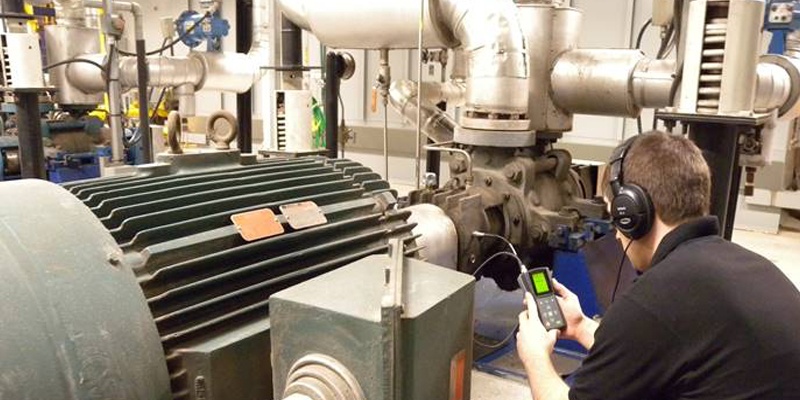

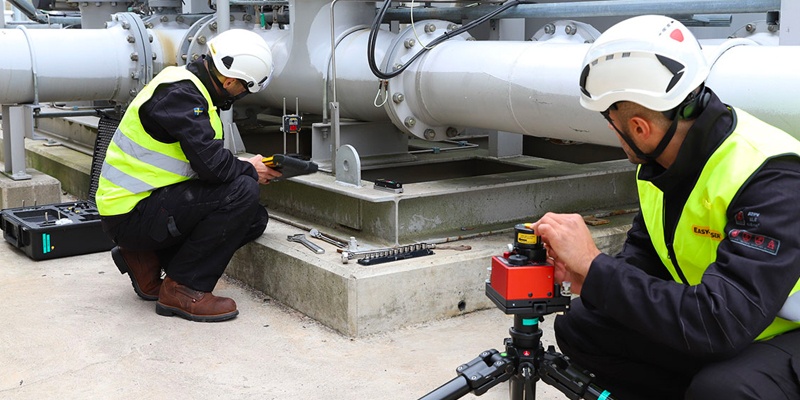
 Let us review this case study on a common issue when working on a pump and motor alignment done by Brian Franks, Owner and Field Service Technician of JetTech Mechanical (