
EN | FR
 

MAAD blog

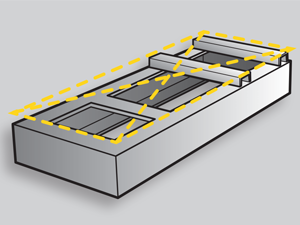
Illustration of a machine base highlighting areas for flatness measurement, relevant to maintaining optimal machinery alignment and performance.
Articles & Case Studies

Now More Than Ever: The Importance of Machine Base Flatness

Now more than ever I’m convinced that many machines are installed on bases that are not flat – especially large, newer and more flexible machines on old bases. 

Recently, while doing some training for one of our customers (KSB Pumps Inc.), we had an opportunity to do a little experiment with a base and motor. KSB Pumps Inc. is a large well known pump manufacturer who provides the complete units of base, motor and pump. For many of their customers they do the initial installation work.

Read more

Machinery Installation: Are You Keeping Pace with Technology?

Not all millwright (construction) and maintenance industries have kept up with today’s machinery installation technologies.

When we think about machinery installation, most tradesmen think of alignment, actually, shaft alignment. The reason for this is because it is usually the most difficult part of the process. It doesn’t have to be but basically, because of inadequate training, even tradesmen who have laser systems are not comfortable with the process and it can still be a hit and miss affair. This is understandable because in many cases, they were shown by the instrument salesman which buttons to push and the rest is up to him! Many companies have laser systems but do not use or even know of their instruments full capabilities!

Read more

Machine Bases – Flatness Case Study

Here we are using alaser shaft alignment tool and we have added a D22 swivel laser that can sweep across the base in order to measure flatness in both X and Y coordinates. Before we show you the results let us first show you how we plan to measure. Although the base appears to be two long rails the motor only sits on the shim packs which are positioned under the mounting pads on the motor.

Read more

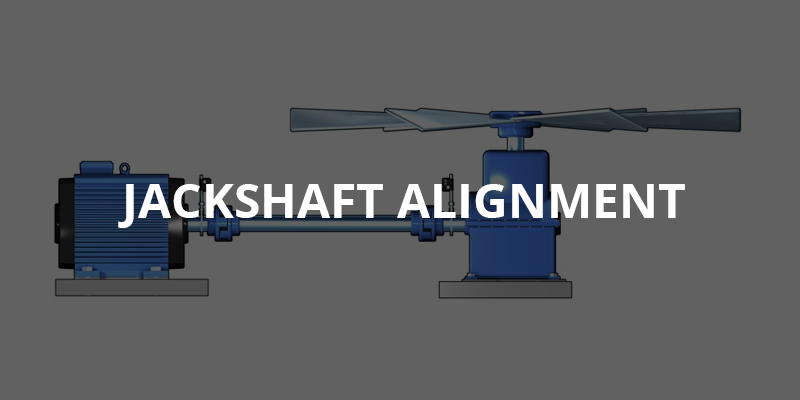
Jackshaft alignment illustration featuring a motor connected to a shaft and fan assembly, emphasizing precision in machinery maintenance and alignment processes.
Articles & Case Studies

Reducing Your Carbon Footprint – Jackshaft Alignment

Proper Alignment Will Reduce Your Carbon Footprint!

Traditionally, maintenance departments do not sing their own praises. Maybe that should change? In many companies the maintenance departments are still considered to be a necessary expense instead of a profit center. This perception is starting to change as improved maintenance procedures demonstrate cost savings that go directly to the company’s bottom line by reducing the energy costs and improving reliability, so really this is a great way to reduce your carbon footprint as a business.

Read more

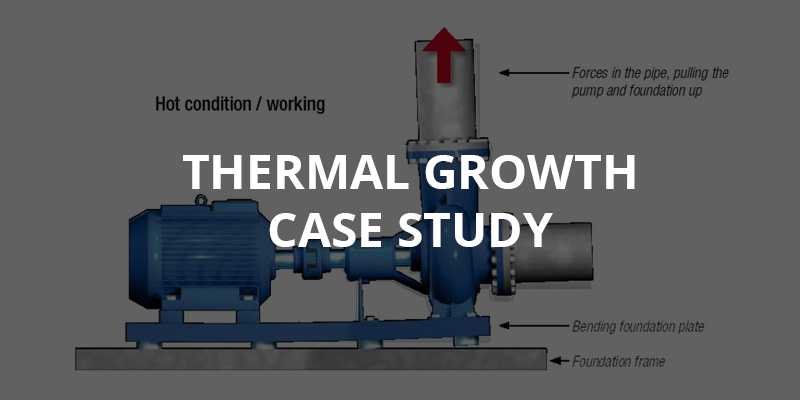
Diagram of a pumping unit illustrating thermal growth effects, labeled with "Thermal Growth Case Study" and annotations on forces impacting the pump and foundation during hot conditions, relevant to machinery maintenance and performance optimization.
Articles & Case Studies

Thermal Growth Case Study

In this case study we will determine the effects of thermal growth on a pumping unit used as part of a manufacturing plants process. This sort of equipment is used in thermal metal treating and needs to perform flawlessly to keep up with industrial production.

The machine units are mounted on a steel base plate which in turn is supported on special rubber mounting pads and secured to a strong foundation. The manufacturing plant had designed and fabricated this important cooling water system to control the temperature of their electronic instruments.

Read more

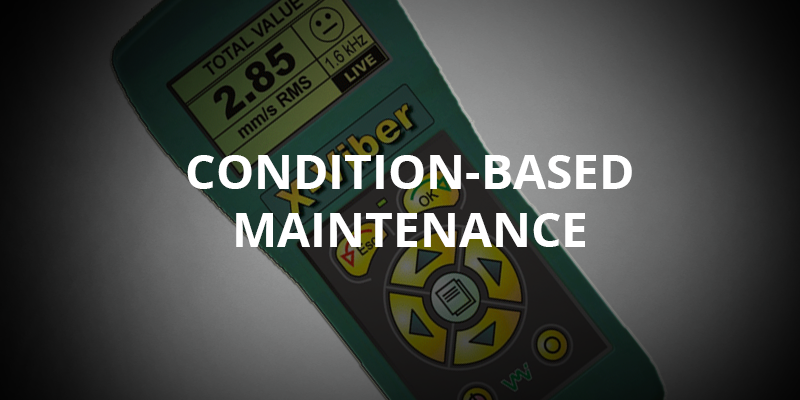
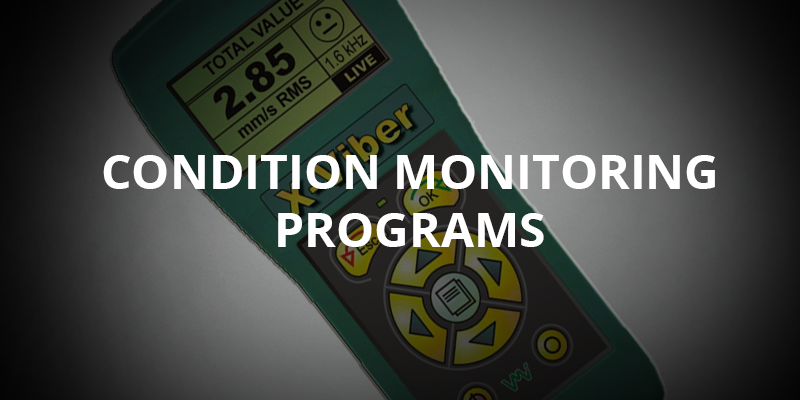
Condition monitoring device displaying vibration measurements, emphasizing condition-based maintenance for machinery reliability.
Articles & Case Studies

Starting a Condition Monitoring Program and Keeping it Simple

Condition-Based Maintenance has been defined as: Maintenance based on the condition of an asset. Asset: An item of value. Condition: The state of an item.

Condition Monitoring is the art of monitoring your equipment health by taking simple measurements of the machines performance, much the same way a Doctor will check (measure) your health by checking your pulse, temperature, blood pressure etc.

Read more