Frequently Asked Questions
How does machine leveling and alignment impact machine lifespan?
Machine leveling and alignment directly impact machine lifespan by reducing wear and tear, minimizing vibrations, and ensuring optimal operating conditions, which can significantly extend the usable life of machinery.
What are the safety considerations for machine leveling and alignment?
Safety considerations for machine leveling and alignment include proper training, use of appropriate personal protective equipment, and following manufacturer's guidelines to prevent equipment damage, workplace injuries, and ensure accurate machine setup.
Can machine leveling and alignment improve production efficiency?
Machine leveling and alignment can improve production efficiency by reducing equipment downtime, minimizing product defects, and enhancing overall machine performance, leading to increased productivity and cost savings.
How does machine leveling and alignment affect vibration analysis?
Machine leveling and alignment are crucial for accurate vibration analysis. Proper leveling and alignment reduce the impact of mechanical factors on vibration measurements, ensuring more reliable data for condition monitoring and fault diagnosis.
How does machine leveling and alignment affect product quality?
Proper machine leveling and alignment ensures consistent product quality by minimizing vibrations, reducing wear and tear, and maintaining optimal operating conditions of the machinery.
What is the role of sensors in machine leveling and alignment?
Sensors play a crucial role in machine leveling and alignment by precisely measuring tilt, vibration, and other critical parameters, enabling accurate adjustments for optimal machine performance and operation.
What are the common methods of machine leveling and alignment?
The common methods of machine leveling and alignment include the use of analog levels, digital levels, and laser alignment tools. These tools help ensure machines are properly leveled and aligned for optimal performance and efficiency.
What are the consequences of improper machine leveling and alignment?
Improper machine leveling and alignment can lead to increased wear and tear, decreased efficiency, and reduced machine lifespan, resulting in higher maintenance costs and potential downtime.
What are the benefits of automated machine leveling and alignment?
Automated machine leveling and alignment provide increased productivity, reduced maintenance costs, and improved machine performance by ensuring optimal equipment positioning and minimizing vibration.
How often should machine leveling and alignment be performed?
The frequency of machine leveling and alignment depends on factors such as machine use, environment, and performance requirements. Regular inspections, at least annually, are recommended to maintain optimal machine performance and minimize downtime.
What is the importance of machine leveling and alignment in manufacturing?
Machine leveling and alignment are crucial in manufacturing to ensure consistent product quality, minimize equipment wear and downtime, and optimize energy efficiency, thereby improving overall productivity and cost-effectiveness.
How does machine leveling and alignment impact machine calibration?
Proper machine leveling and alignment are crucial for accurate machine calibration, as they ensure the machine's components are positioned correctly and functioning at optimal efficiency.
What tools are used for machine leveling and alignment?
The primary tools used for machine leveling and alignment include precision levels, dial indicators, and laser alignment systems. These tools enable precise measurement and adjustment of machinery to ensure proper installation and optimal performance.
How do you ensure accurate machine leveling and alignment?
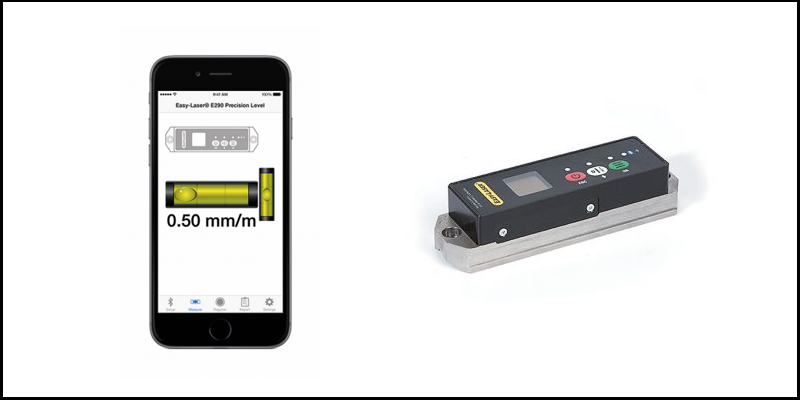
Accurate machine leveling and alignment can be ensured by using digital leveling tools like the E290 Digital Level, which provides precise measurements and documentation capabilities through the Precision Level mobile app.



0 comments
Write a comment