measurement, laser, tool, vibration, indicator, maintenance, drive shaft, machine, shaft alignment, pump, heat, bearing, engine, coupling, energy, technology, rotation, pipe, beam, shim, data, foot, temperature, downtime, stress, efficiency, sensor, turbine, wear, valve, straight edge, thermal expansion, mechanical engineering, friction, screw, troubleshooting, inspection, wear and tear, marine propulsion, software, pressure, feeler gauge, gas turbine, manufacturing, electric motor, compressor, angle, optics, longevity, heat exchanger, consumption, failure, feedback, pulley, noise, risk, root cause analysis, gear, flange, corrosion, plant, safety, steam, calibration, mining, fuel, predictive maintenance, clock, bolt, lubricant, train, checklist, api, evaluation, bracket, steel, management, oil, mechanics, calipers, speed, email, methods, laser alignment, laser shaft alignment, method, wind turbine, torque, inch, root, infrared, welding, mirror, transmission, productivity, pdf, aerospace, laser diode, backlash, laser safety, united states, vertical and horizontal, email address, light, circle, diode, condition monitoring, motion, electronics, transmitter, mechanical, security, precision, industrial, axis, imaging, close, industry
Frequently Asked Questions
What is the tolerance for shaft misalignment in pumps?
The tolerance for shaft misalignment in pumps is typically within 0.05 to 0.10 mm (0.002 to 0.004 inches) to ensure proper pump operation, minimize vibration, and extend the equipment's lifespan.
What are the common causes of shaft misalignment?
The common causes of shaft misalignment are improper installation, mechanical wear, thermal expansion, foundation settling, and dynamic effects such as vibration or unbalance.
What is the purpose of shaft alignment in machinery?
The purpose of shaft alignment in machinery is to ensure the proper positioning of rotating shafts within a machine to minimize wear, vibration, and energy loss, thereby improving the overall efficiency and lifespan of the equipment.
How does shaft alignment affect overall equipment reliability?
Proper shaft alignment is crucial for overall equipment reliability. Misaligned shafts can lead to increased vibration, wear and tear, and premature failure of machine components, ultimately reducing the lifespan and performance of industrial equipment.
How often should shaft alignment checks be performed?
The recommended frequency for shaft alignment checks varies depending on the application and operating conditions, but generally they should be performed every 6 to 12 months or whenever major maintenance is undertaken.
What tools are best for shaft alignment?
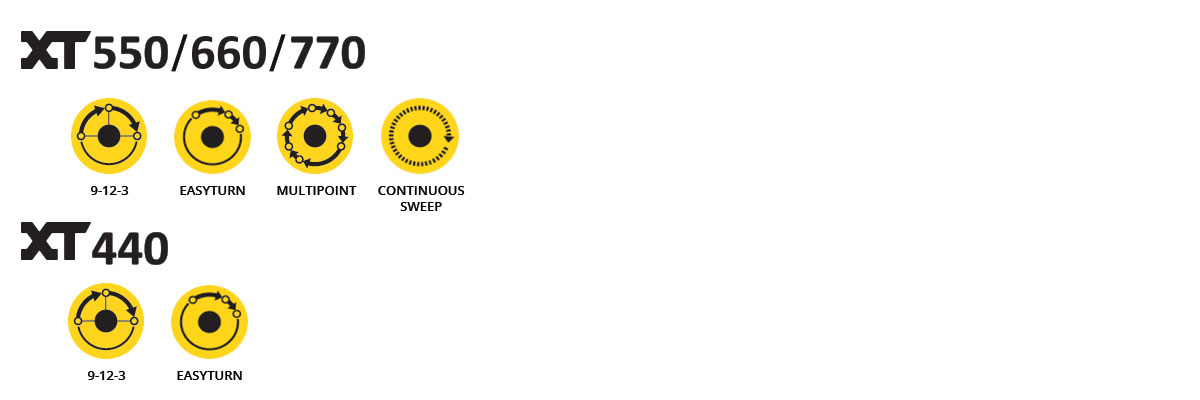
The best tools for shaft alignment include the 9-12-3 method, EasyTurn™ technique, Multipoint measurement, and Continuous Sweep. These precision-driven tools help optimize machine assets and ensure accurate shaft alignment.
How to measure shaft misalignment accurately?
Measuring shaft misalignment accurately involves using precision alignment techniques such as the 9-12-3 method, EasyTurn™, Multipoint measurement, and Continuous Sweep. These methods provide detailed analysis of the shaft's position and angular deviation to ensure optimal machine performance.
What factors influence alignment tolerance levels?
The factors that influence alignment tolerance levels include the machine's application, operating speed, and size, as well as the environmental conditions and the level of precision required for the specific application.
What is the impact of misalignment on pumps?
Misalignment of pumps can significantly impact their performance, leading to increased wear and tear, vibration, energy consumption, and even premature failure.
How can vibration analysis aid in alignment?
Vibration analysis can aid in alignment by detecting misalignment issues in rotating machinery. Analyzing vibration data can identify the root cause of misalignment, enabling targeted adjustments to optimize machine performance and reliability.
What are symptoms of misaligned shafts?
Symptoms of misaligned shafts include excessive vibration, premature bearing and seal failure, and increased power consumption. Proper shaft alignment is crucial to avoid these issues and ensure efficient equipment operation.
What is the role of alignment software?
The role of alignment software is to provide precise measurements and calculations for aligning machinery components, such as shafts, to ensure optimal performance and minimize wear and tear.
How do alignment methods differ in accuracy?
Alignment methods differ in accuracy due to factors such as the measurement technique, number of measurement points, and data processing capabilities. More advanced methods like Continuous Sweep can achieve higher accuracy compared to basic techniques.
What maintenance practices support shaft alignment?
Maintenance practices that support shaft alignment include regular machine inspection, vibration analysis, and laser shaft alignment techniques. These methods help identify and address misalignment issues, improving machine performance and reliability.
What industries most commonly face misalignment issues?
Industries that commonly face misalignment issues include manufacturing, mining, power generation, and petrochemical. These industries rely on heavy machinery and equipment, making proper shaft alignment critical for efficient operation and avoiding equipment failure.
How does temperature affect shaft alignment?
Temperature changes can impact shaft alignment by causing the shaft and surrounding components to expand or contract, altering the alignment. Maintaining proper shaft alignment is crucial to prevent equipment damage and optimize machine performance.
What are safety considerations during alignment procedures?
Safety considerations during alignment procedures include proper personal protective equipment, secure worksite, and adherence to all safety protocols to prevent potential hazards and ensure a safe working environment.
How can training improve shaft alignment accuracy?
Training can improve shaft alignment accuracy by enhancing technicians' skills in utilizing precision alignment tools and techniques. Proper training enables them to conduct comprehensive measurements, make accurate adjustments, and consistently achieve optimal shaft alignment.
What common mistakes occur in shaft alignment?
Common mistakes in shaft alignment include not accounting for thermal growth, not using the correct measurement techniques, and not properly adjusting the machine to the desired alignment.
How does misalignment impact energy efficiency?
Misalignment of machinery can negatively impact energy efficiency by increasing friction, vibration, and load on the equipment, leading to higher energy consumption and reduced operational efficiency.
laser alignment method, shaft alignment methods, benchmark pdm, how to align shaft, machine alignment
Precision Driven Maintenance
We do this by providing precision-driven maintenance and reliability solutions to the industrial market through tools, training and services.
Our products and services help industries optimize their operations and increase their productivity.
EasyTurn™ (XT)
EasyTurn™ (XT) is a measurement method for shaft alignment (also referred to as coupling alignment) of horizontal machines.
The measurement points are recorded at fixed points 9, 12 and 3 o'clock, providing a reliable and efficient way to ensure proper shaft alignment.
measurement, laser, tool, vibration, indicator, maintenance, drive shaft, machine, shaft alignment, pump, heat, bearing, engine, coupling, energy, technology, rotation, pipe, beam, shim, data, foot, temperature, downtime, stress, efficiency, sensor, turbine, wear, valve, straight edge, thermal expansion, mechanical engineering, friction, screw, troubleshooting, inspection, wear and tear, marine propulsion, software, pressure, feeler gauge, gas turbine, manufacturing, electric motor, compressor, angle, optics, longevity, heat exchanger, consumption, failure, feedback, pulley, noise, risk, root cause analysis, gear, flange, corrosion, plant, safety, steam, calibration, mining, fuel, predictive maintenance, clock, bolt, lubricant, train, checklist, api, evaluation, bracket, steel, management, oil, mechanics, calipers, speed, email, methods, laser alignment, laser shaft alignment, method, wind turbine, torque, inch, root, infrared, welding, mirror, transmission, productivity, pdf, aerospace, laser diode, backlash, laser safety, united states, vertical and horizontal, email address, light, circle, diode, condition monitoring, motion, electronics, transmitter, mechanical, security, precision, industrial, axis, imaging, close, industry
Frequently Asked Questions
What is the tolerance for shaft misalignment in pumps?
The tolerance for shaft misalignment in pumps is typically within 0.05 to 0.10 mm (0.002 to 0.004 inches) to ensure proper pump operation, minimize vibration, and extend the equipment's lifespan.
What are the common causes of shaft misalignment?
The common causes of shaft misalignment are improper installation, mechanical wear, thermal expansion, foundation settling, and dynamic effects such as vibration or unbalance.
What is the purpose of shaft alignment in machinery?
The purpose of shaft alignment in machinery is to ensure the proper positioning of rotating shafts within a machine to minimize wear, vibration, and energy loss, thereby improving the overall efficiency and lifespan of the equipment.
How does shaft alignment affect overall equipment reliability?
Proper shaft alignment is crucial for overall equipment reliability. Misaligned shafts can lead to increased vibration, wear and tear, and premature failure of machine components, ultimately reducing the lifespan and performance of industrial equipment.
How often should shaft alignment checks be performed?
The recommended frequency for shaft alignment checks varies depending on the application and operating conditions, but generally they should be performed every 6 to 12 months or whenever major maintenance is undertaken.
What tools are best for shaft alignment?
The best tools for shaft alignment include the 9-12-3 method, EasyTurn™ technique, Multipoint measurement, and Continuous Sweep. These precision-driven tools help optimize machine assets and ensure accurate shaft alignment.
How to measure shaft misalignment accurately?
Measuring shaft misalignment accurately involves using precision alignment techniques such as the 9-12-3 method, EasyTurn™, Multipoint measurement, and Continuous Sweep. These methods provide detailed analysis of the shaft's position and angular deviation to ensure optimal machine performance.
What factors influence alignment tolerance levels?
The factors that influence alignment tolerance levels include the machine's application, operating speed, and size, as well as the environmental conditions and the level of precision required for the specific application.
What is the impact of misalignment on pumps?
Misalignment of pumps can significantly impact their performance, leading to increased wear and tear, vibration, energy consumption, and even premature failure.
How can vibration analysis aid in alignment?
Vibration analysis can aid in alignment by detecting misalignment issues in rotating machinery. Analyzing vibration data can identify the root cause of misalignment, enabling targeted adjustments to optimize machine performance and reliability.
What are symptoms of misaligned shafts?
Symptoms of misaligned shafts include excessive vibration, premature bearing and seal failure, and increased power consumption. Proper shaft alignment is crucial to avoid these issues and ensure efficient equipment operation.
What is the role of alignment software?
The role of alignment software is to provide precise measurements and calculations for aligning machinery components, such as shafts, to ensure optimal performance and minimize wear and tear.
How do alignment methods differ in accuracy?
Alignment methods differ in accuracy due to factors such as the measurement technique, number of measurement points, and data processing capabilities. More advanced methods like Continuous Sweep can achieve higher accuracy compared to basic techniques.
What maintenance practices support shaft alignment?
Maintenance practices that support shaft alignment include regular machine inspection, vibration analysis, and laser shaft alignment techniques. These methods help identify and address misalignment issues, improving machine performance and reliability.
What industries most commonly face misalignment issues?
Industries that commonly face misalignment issues include manufacturing, mining, power generation, and petrochemical. These industries rely on heavy machinery and equipment, making proper shaft alignment critical for efficient operation and avoiding equipment failure.
How does temperature affect shaft alignment?
Temperature changes can impact shaft alignment by causing the shaft and surrounding components to expand or contract, altering the alignment. Maintaining proper shaft alignment is crucial to prevent equipment damage and optimize machine performance.
What are safety considerations during alignment procedures?
Safety considerations during alignment procedures include proper personal protective equipment, secure worksite, and adherence to all safety protocols to prevent potential hazards and ensure a safe working environment.
How can training improve shaft alignment accuracy?
Training can improve shaft alignment accuracy by enhancing technicians' skills in utilizing precision alignment tools and techniques. Proper training enables them to conduct comprehensive measurements, make accurate adjustments, and consistently achieve optimal shaft alignment.
What common mistakes occur in shaft alignment?
Common mistakes in shaft alignment include not accounting for thermal growth, not using the correct measurement techniques, and not properly adjusting the machine to the desired alignment.
How does misalignment impact energy efficiency?
Misalignment of machinery can negatively impact energy efficiency by increasing friction, vibration, and load on the equipment, leading to higher energy consumption and reduced operational efficiency.
laser alignment method, shaft alignment methods, benchmark pdm, how to align shaft, machine alignment
Precision Driven Maintenance
We do this by providing precision-driven maintenance and reliability solutions to the industrial market through tools, training and services.
Our products and services help industries optimize their operations and increase their productivity.
EasyTurn™ (XT)
EasyTurn™ (XT) is a measurement method for shaft alignment (also referred to as coupling alignment) of horizontal machines.
The measurement points are recorded at fixed points 9, 12 and 3 o'clock, providing a reliable and efficient way to ensure proper shaft alignment.